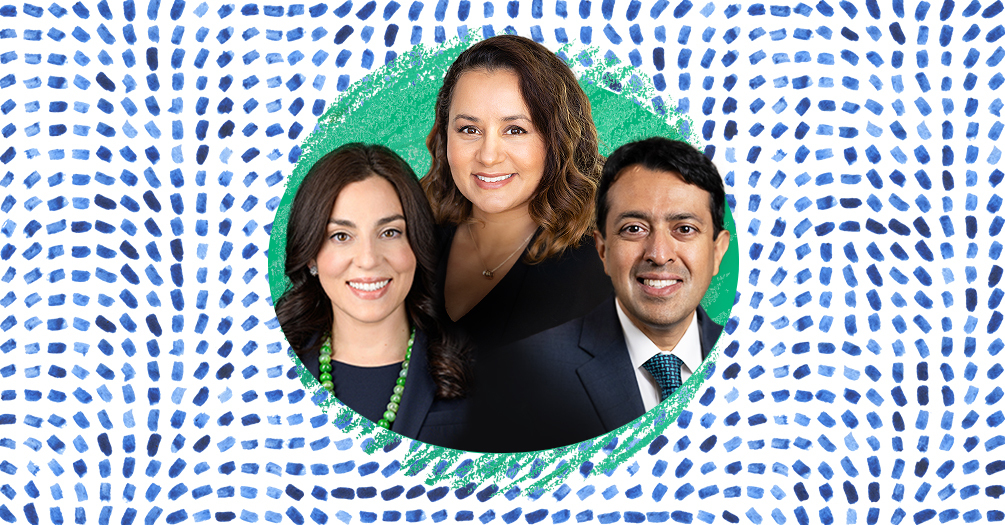
Vaccine conversations: Tools for building trust
A panel discussion on navigating today's vaccine landscape, building trust, and having more productive conversations with family, friends, and community members.
All Applications Open!
Apply Now
A panel discussion on navigating today's vaccine landscape, building trust, and having more productive conversations with family, friends, and community members.

Five years after COVID-19 began, University of Michigan School of Public Health experts reflect on lessons learned and ongoing research. Hear stories of resilience programs for older adults and studies tracking the pandemic's lasting impacts.
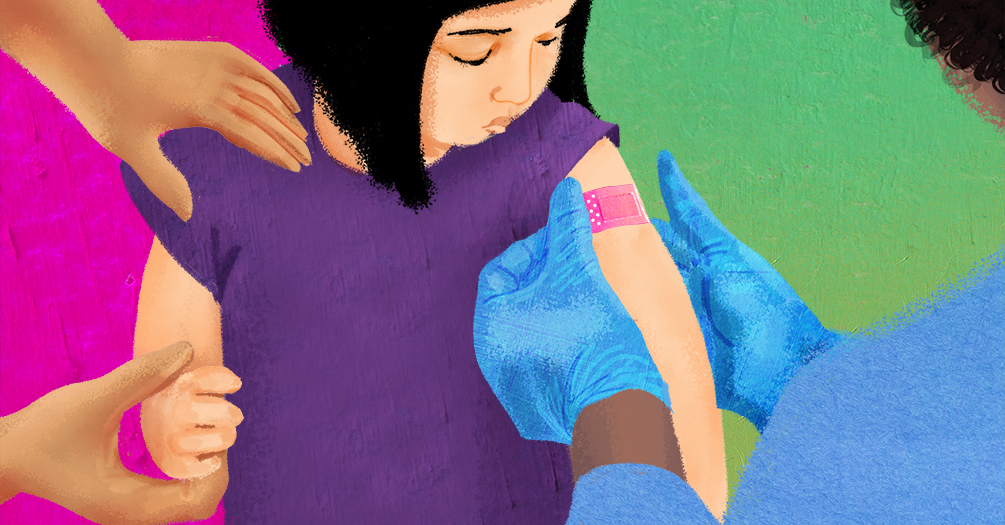
Dr. Natasha Bagdasarian, Chief Medical Executive for the State of Michigan, discusses challenges related to childhood vaccinations post-COVID, emphasizing the need to rebuild trust and explore innovative solutions in a compelling interview with Michigan Public Health professor Matthew L. Boulton.

Generally speaking, giving unsolicited advice to people only tends to annoy them and make them less likely to change any of their behaviors. Real change tends to come when someone sees a discrepancy between their own behavior and what they value as a person. So, how do you talk to a coworker, friend, or family member who is firmly entrenched in anti-vaccine beliefs? Preaching to them that COVID vaccines are safe and effective will most likely fail. But there are some lessons to be gleaned from a counseling style called motivational interviewing, where instead of trying to persuade someone, you subtly reflect back to them their own thoughts and feelings. In other words, you allow the other person to drive the conversation, with the idea that they themselves will see discrepancies between their actions and their beliefs. University of Michigan School of Public Health Professor Ken Resnicow has studied and used motivational interviewing since the early 1990s and has some timely tips for how to engage in these difficult conversations.

Right now, Delta is the dominant COVID-19 variant spreading here in the U.S and in some other areas of the world. It’s one of the handful of variants that have evolved from the original COVID-19 virus. The emergence of the more infectious Delta, and the prospect of new variants on the horizon, has underscored the urgency of widespread vaccination to put an end to the pandemic. In this episode, we're joined by two faculty experts from the University of Michigan who will discuss what is currently known about the Delta variant, how vaccine efforts are holding up through the Delta surge, and how it's spread is impacting our ongoing pandemic response strategies.

It has been roughly one year since the COVID pandemic hit the United States, bringing with it stay-at-home orders, social distancing, masks, and many other unprecedented experiences. One side effect of the pandemic is that epidemiology is now a household name. Our first guest on this special coronavirus series, back when it all started in March 2020, was Joseph Eisenberg, professor and chair of Epidemiology at the University of Michigan School of Public Health. We invited Eisenberg back to share some of his thoughts on how this past year played out and where he sees things going from here.