

Environmental Health Sciences Results

Mosquito sitting on a leaf

Do Africans Want Genetically Modified Mosquitoes?

Utibe Effiong, MPH ’14

Genetically modifying mosquitoes to control infectious disease is not a new idea. But all consequences—the good and the bad—of such an intervention must be adequately vetted. And importantly, argues physician and alum Utibe Effiong, local communities should have a say in the process.
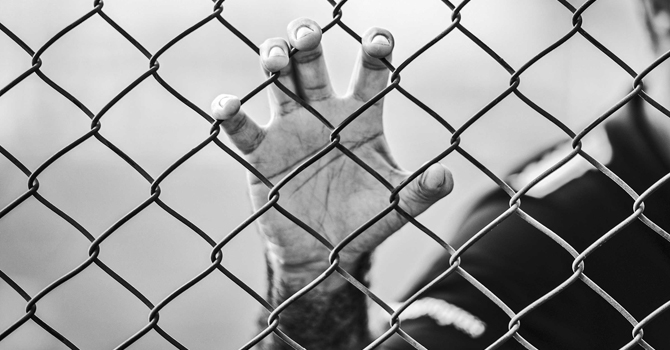
An imprisoned person grips a chain-link fence

Mental Health, Incarceration, and COVID-19

Chanese A. Forte

In the US, ten times more people with mental health disorders are in jail or prison than in mental health facilities. The coronavirus pandemic further complicates this matter, putting incarcerated individuals at increased risk of infection.

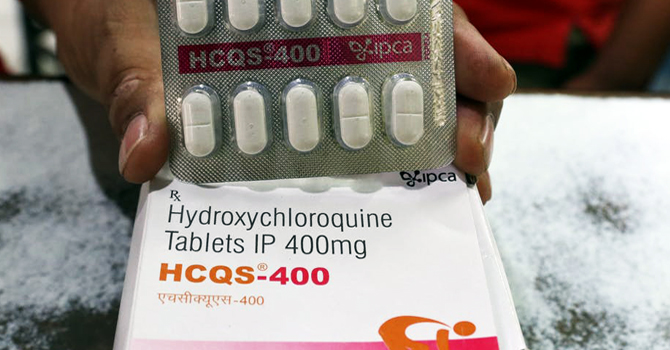
A pharmacist in India displays hydroxychloroquine tablets

Understanding Lupus, the Disease Treated by Chloroquine and Hydroxychloroquine

Ekemini Hogan, Akpabio Akpabio, and Utibe Effiong

Chloroquine and hydroxychloroquine are important therapies for those suffering from lupus, a complex auto-immune disease. As the world battles to overcome COVID-19, we must ensure continued availability of antimalarials to patients whose lives literally depend on them.

Photo of a vaccine.

Why Are Ethical Concerns Blocking the Progress of COVID-19 Vaccine Efforts?

Akpabio Akpabio and Utibe Effiong

Ultimately, vaccines are beneficial, and human trials are essential in determining the safety of any vaccine. But how do we select candidates for vaccine tests? Fallout from unethical experiments is persistent, and we must insist on the most ethical and medically accurate appraisals of the vaccine landscape.

A split illustration of a factory, a woman driving a car, and and office space.

Stacking Protections against Disease: What Do Driving a Car and Occupational Health Have to Do with the Coronavirus?

Aurora Le

Preventing the spread of disease is essential for our health. So is having a steady income. To get us back to work safely, occupational health experts are helping us “stack” protective measures—use multiple layers of safeguards—to truly protect workers, clients, patients, and visitors from the potential harms of environmental exposures on the job and in other spaces we frequent.