On the Heights: February 2026
February highlights include faculty expertise on AI-driven cancer research, youth violence prevention, farmworker housing policy, epigenetics and ultra-processed foods, and a new state advisory appointment.
We're still accepting applications for Fall 2026!
Apply Today
February highlights include faculty expertise on AI-driven cancer research, youth violence prevention, farmworker housing policy, epigenetics and ultra-processed foods, and a new state advisory appointment.
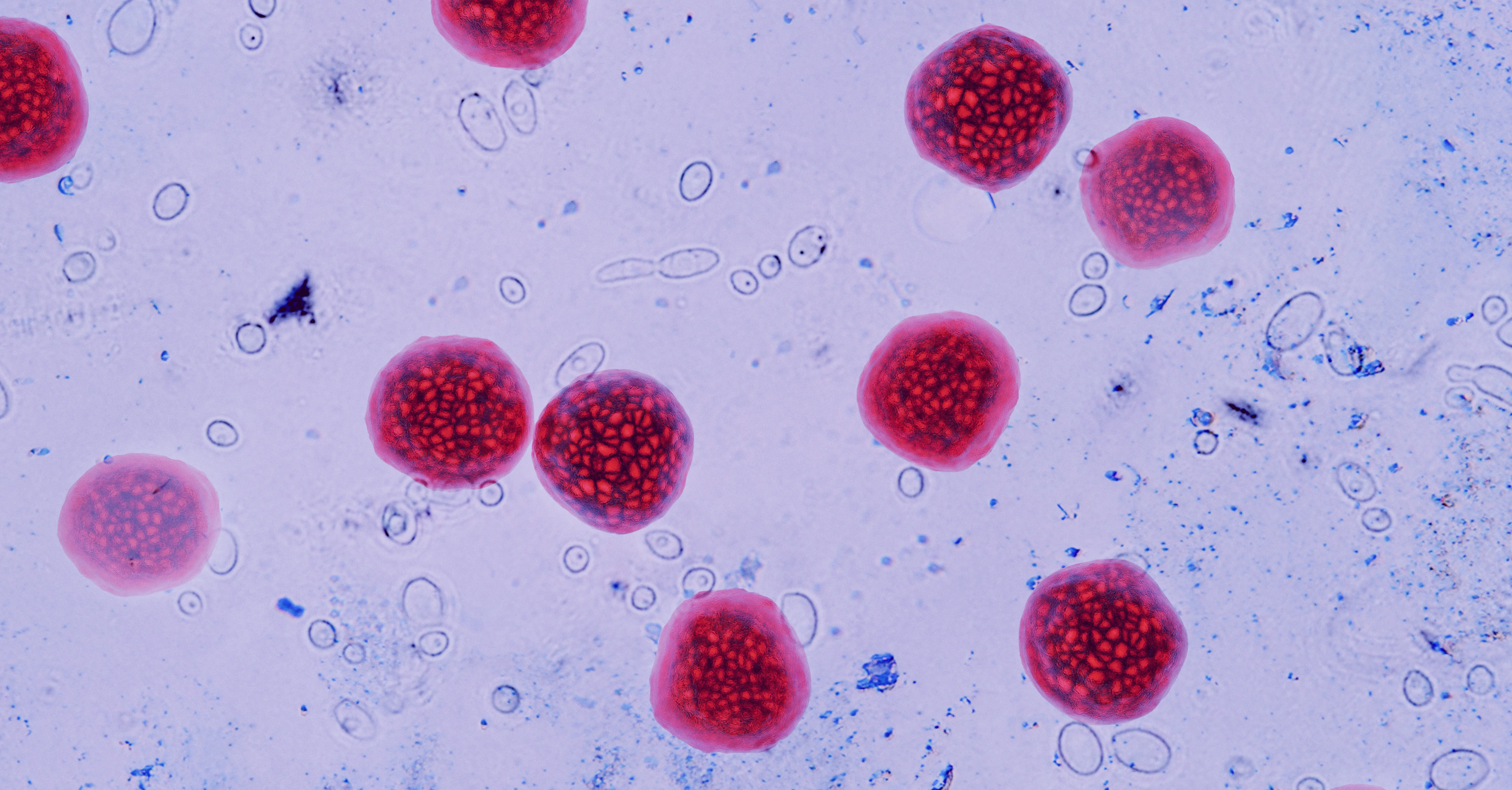
University of Michigan researcher receives a multimillion-dollar grant to use AI to better predict survival and treatment outcomes for the most common and deadly form of ovarian cancer.
Epigenetics, the study of how environmental and behavioral factors modify gene expression, helps explain how what we eat influences our health.
New U-M research reveals older adults with high cumulative lead exposure face nearly triple the Alzheimer's risk. The study suggests reducing population lead levels could prevent thousands of dementia cases annually.
Long-term exposure to higher residential air pollution levels is associated with faster declines in physical function and reduced chances of recovery, according to a new U-M study. The research suggests cleaner air may allow people to stay stronger and more independent as they age.
January highlights include groundbreaking research on structural racism and environmental health, new Impact Institute and sustainability funding awards, and faculty expertise featured in national media coverage and global health initiatives.