Michigan Results

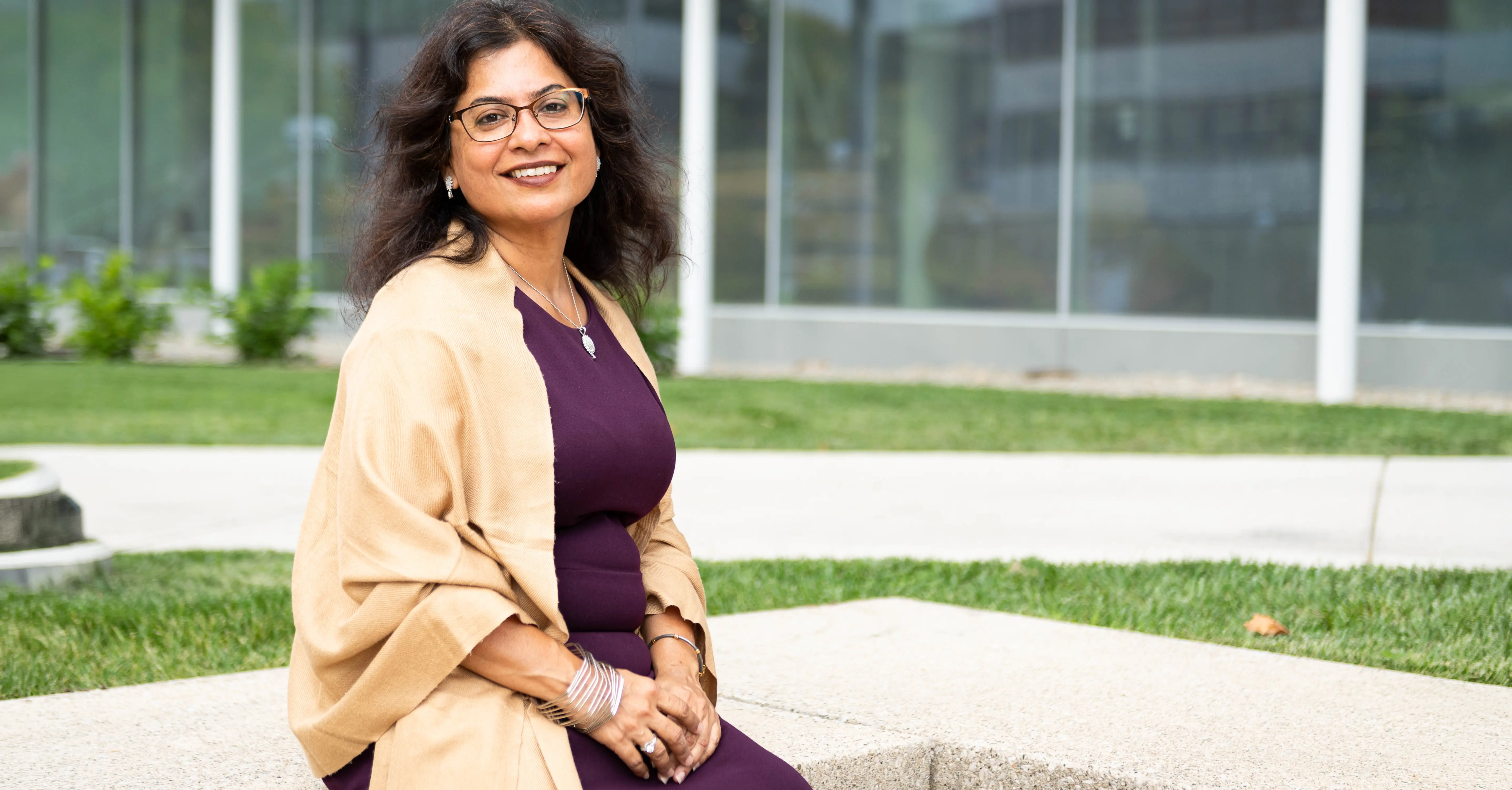
Mousumi Banerjee sitting in the Diag on the campus of the University of Michigan

How biostatistics can improve cancer care, pediatric heart health and health equity

A University of Michigan researcher explains how data, teamwork and statistical science can reveal disparities, guide care and improve health outcomes

University of Michigan biostatistician Mousumi Banerjee discusses her journey from Kolkata and mathematics to public health, cancer research, pediatric heart care and health equity. In this Q&A, she explains how biostatistics, machine learning and global partnerships can turn complex health data into evidence that improves care and lives for communities.

Two older people sit by a lake.

Michigan's a great place to grow older, say those who are doing it

More than a third of Michigan’s 10 million people are over 50, and a new poll shows that 82% of them see the state as a good to excellent place to live as they grow older. The new data from the Michigan Poll on Healthy Aging could help inform Michigan policymakers and organizations as they work to serve the needs of older Michiganders now and in the future.

Light blue cutout of Michigan on dark blue background.

Road Scholars connect University of Michigan faculty with Michigan's communities

Environmental Health Sciences professor Devon Payne-Sturges joins the 2026 Michigan Road Scholars

A new cohort of University of Michigan faculty will step out of the classroom and onto the road, traveling across the state to deepen their understanding of Michigan’s communities, economy and public challenges, while exploring how their teaching and research can connect more directly to the state.

Carina Gronlund

How does extreme weather affect community health? A University of Michigan researcher explains

Environmental epidemiologist Carina Gronlund on the surprising links between housing, heat and health equity—and what can be done about it

University of Michigan’s Carina Gronlund investigates how Detroit’s neighborhoods, weather and housing shape health risks. Her research connects extreme heat, pollen and poor housing to sleep, cognitive health and disease—advancing environmental justice, public health, and community resilience amid shifting climate conditions.