AI grant targets deadliest form of ovarian cancer
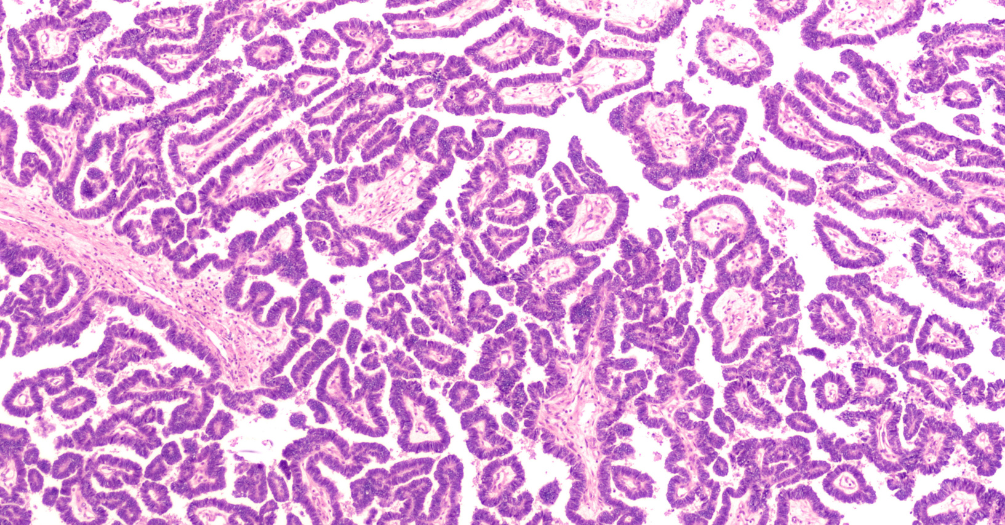
University of Michigan researcher receives a multimillion-dollar grant to use AI to better predict survival and treatment outcomes for the most common and deadly form of ovarian cancer.
We're still accepting applications for Fall 2026!
Apply Today
University of Michigan researcher receives a multimillion-dollar grant to use AI to better predict survival and treatment outcomes for the most common and deadly form of ovarian cancer.
Faculty research shapes policy debates on mass deportation, SNAP benefits, and health communication while centers expand lifecourse research focus and new technology advances lab safety training.
Faculty expertise drives policy testimony, groundbreaking research, and national media coverage as Michigan Public Health advances health equity and community impact.
Five-year federal grant will launch Michigan Public Health's first Certificate in Maternal Child Health, training 25+ students annually through partnerships with community organizations and government agencies.
Although midlife women going through menopause often report feeling tired or fatigued, the causes of this fatigue are seldom discussed in the lay or scientific literature. Among other causes, excessive menstrual bleeding may increase the risk of iron deficiency/anemia that contributes to fatigue.
Women who have had a stroke may be less likely than men to take medications to prevent a second stroke, with Mexican American women reporting the highest rates of nonadherence, according to a new study from University of Michigan School of Public Health researchers.