Empowering Populations
Pursuing a healthier, more equitable world for all, Michigan Public Health researchers are accompanying vulnerable individuals and communities on our way to designing a world that is a good deal healthier for everyone in it.
All Applications Open!
Apply Now
Pursuing a healthier, more equitable world for all, Michigan Public Health researchers are accompanying vulnerable individuals and communities on our way to designing a world that is a good deal healthier for everyone in it.

What would happen if we started thinking of NFL players as workers, who might be in harm’s way as they tackle and crash to the amazement of millions of fans? Adam M. Finkel, clinical professor of Environmental Health Sciences, explores this question.
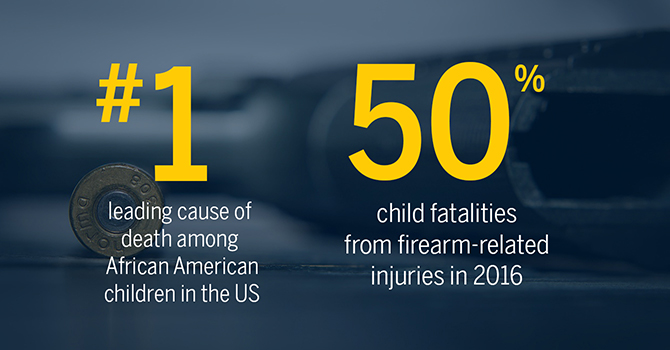
In May, Zimmerman and Carter presented “Kids and Guns: Prevention Strategies,” a community conversation in Dexter, Michigan, to help local residents understand the risks associated with youth exposure to firearms and strategies for mitigating those risks.
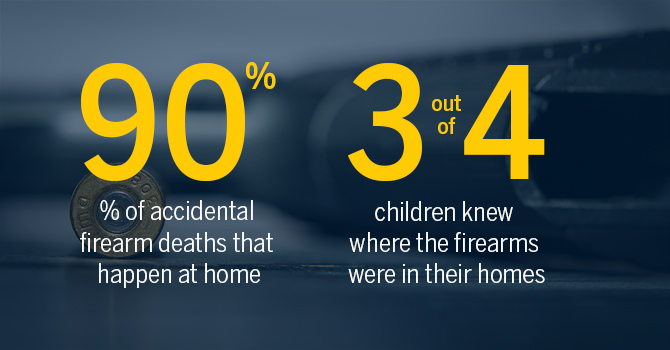
In May, Zimmerman and Carter presented “Kids and Guns: Prevention Strategies,” a community conversation in Dexter, Michigan, to help local residents understand the risks associated with youth exposure to firearms and strategies for mitigating those risks.
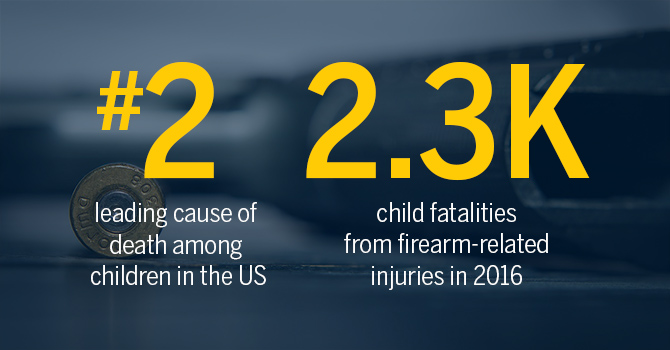
In May, researchers Marc Zimmerman and Patrick Carter presented “Kids and Guns: Prevention Strategies,” a community conversation in Dexter, Michigan, to help local residents understand the risks associated with youth exposure to firearms and strategies for mitigating those risks.
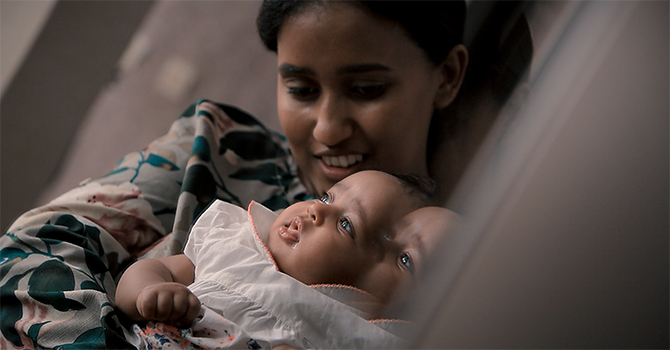
Since May 2018, more than 2,300 children have been separated from their parents at the US-Mexico border. A new report, compiled by Alison Miller, associate professor of Health Behavior and Health Education, and colleagues, includes comments from a range of experts who have reviewed research evidence on the science of early child development, stress and trauma, and policy implications of family separation and reunions for very young children.