
Equipped with his five senses, man explores the universe and calls the adventure science.
— Edwin Hubble
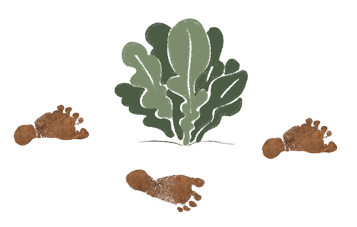
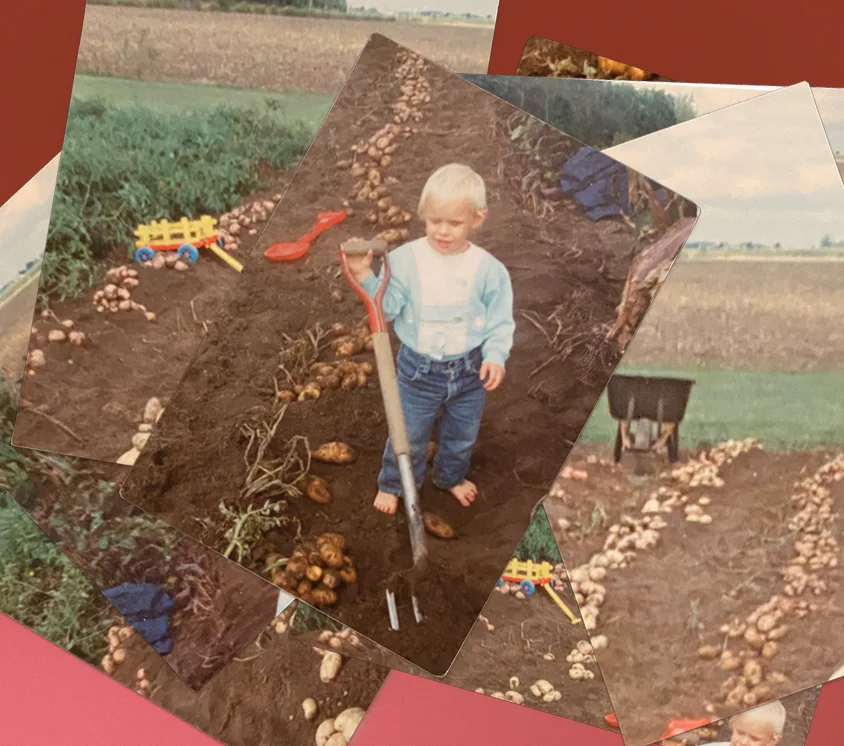
My bare feet sunk into the freshly tilled soil. The sensation was intriguing and so I proceeded, walking along the edge of our garden and leaving distinct footprints in my wake. I remember the conflicted feelings of this moment: Me, knowing I was not supposed to disturb the freshly prepared soil, but unable—or perhaps unwilling—to resist this little adventure, and my dad, perceptibly torn between chastising me and celebrating my curiosity.
A lesson in strategic stubbornness
The methodical adventure of science was not something I knew anything about as a child. I grew up in Ruth, Michigan, a small farming community in Huron County where the most prominent feature is the Cooperative Elevator and its multiple grain bins. Another key feature is the Catholic church, a beautiful gray stone building with a grand vaulted ceiling and stained-glass windows on all sides, imbuing a colorful, peaceful light into the space. I attended the affiliated Catholic school for most of my adolescence, where my school days were shaped by the predominant religion of my German and Polish-heritage community. Home was also characterized by a gritty practicality.
Though the role and processes of science were implicit in my life, the stubbornness that defines the best scientists was percolating fiercely and very explicitly. With some regularity, I ran away from home. Typically at bedtime, fueled by a deep sense of injustice about being required to rest when I had better things to do with my time. Being the sensible child I was, I packed for these journeys, dumping the contents of my pink Barbie suitcase and replacing them with three items: a blanket, fresh underwear and some books. My plan was always to walk to one of my grandparents—they lived just over a mile in either direction—but, of course, I never made it past our property line because of my fear of the dark. A while later, indignant that no one came searching for me, I would return home.
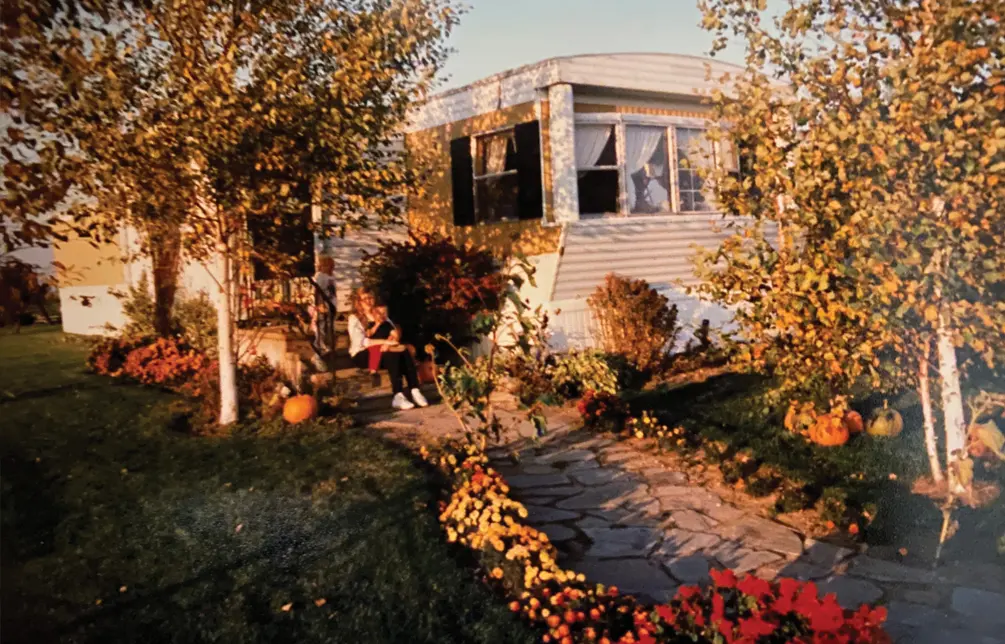
Home was a trailer, a single-wide, that my parents purchased for a very reasonable price from its last owner. With the help of family and neighbors, they had it pulled onto a four-acre parcel of land that was too soppy and wooded to be good farmland and was therefore also secured for a good price. The trailer featured a mustard yellow and white exterior, with rust lines already extending down the sides from the curved metal roof. My dad, an Army veteran of the 82nd Airborne Division, worked in construction, and my mom, a recent high school graduate, worked in a medical office. They were starting from scratch.
In rural America, though, social bonds are everything, and they weren’t starting from nothing or without support. Even when mom left her job due to office toxicity and illegal threats by her boss, who either wasn’t familiar with the Pregnancy Discrimination Act or didn’t care, my parents made ends meet. The Ruth Convenience Store was small relative to the chain supermarkets where most now shop for food, but it was reliably stocked with a full range of groceries, including perishables. More importantly, it accepted credit. Not credit card credit; rather, the kind of credit where there’s a physical ledger, they mark down your family’s name, your total, and you’re billed at the end of the month. And, if you couldn’t pay the total, there was room to negotiate as long as you were making reasonable effort on payments. Nevertheless, Grandma Messing still had us put things on her tab at times. This was how it was at Dallas Standard, the gas station, as well. The economy ran on trust.
During this period, my dad commuted an hour one way five to six days a week to work; his attention to detail made him an ideal finish carpenter and he applied his expertise in the “cottages” of the wealthy living in the exclusive Pointe Aux Barques community. He actively sought insights from his tradesman peers and accrued knowledge in electrical, plumbing, professional painting and other practical skills, eventually applying them to build my parents’ current four-bedroom, two-bath home. It would take close to a decade for the home to be completed, my parents investing in the materials and finishes incrementally. Neighbors and family helped the process when a single set of hands was insufficient. We “helped” too. I recall my dad, mom, me, and perhaps one of my brothers all balanced on a 2x4 over the hole to the basement to get the ceiling drywall lifted and secured. My parents were the epitome of patience; they were, and still are, playing the long game of life.
My mom is not one to sit idle. Hamstrung professionally, she started accepting childcare work—just a couple kids a day who spent their time at our home while their parents worked. Her in-home childcare service grew to capacity over time and became her career. Her work didn’t benefit from the policies and programs in place to support childcare operations. That’s an analysis for another time; the short of it is that I saw firsthand the trade-offs of even well-intentioned bureaucracy.
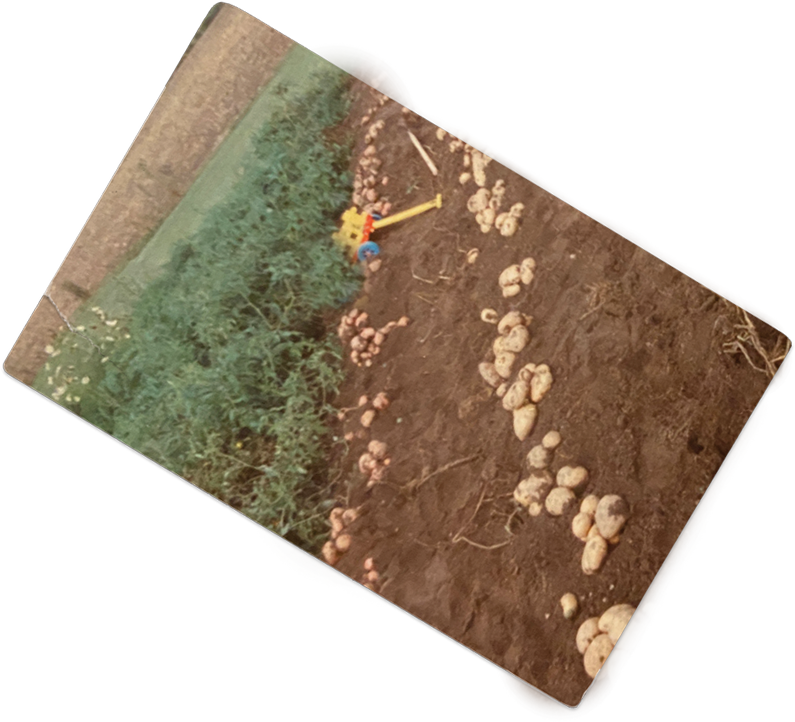
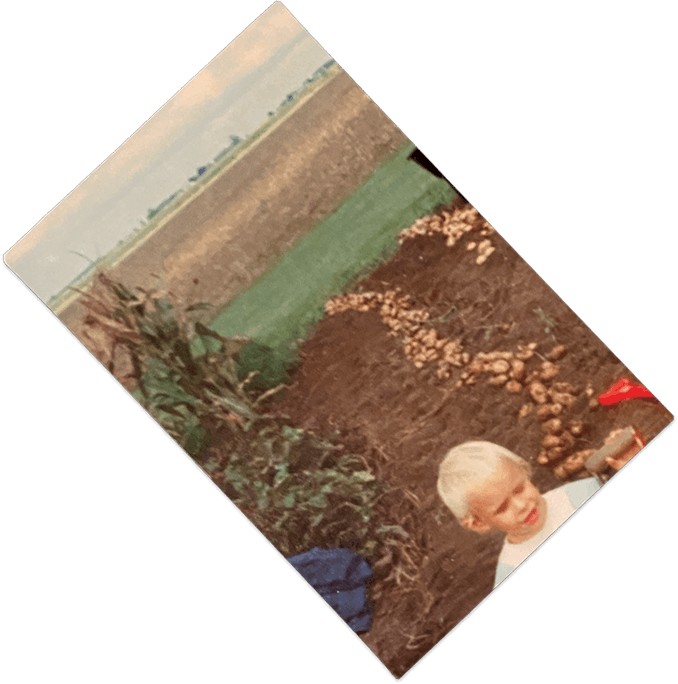
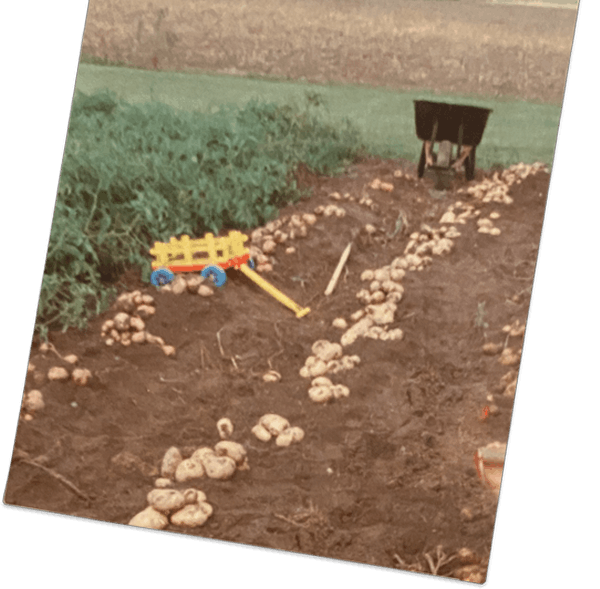
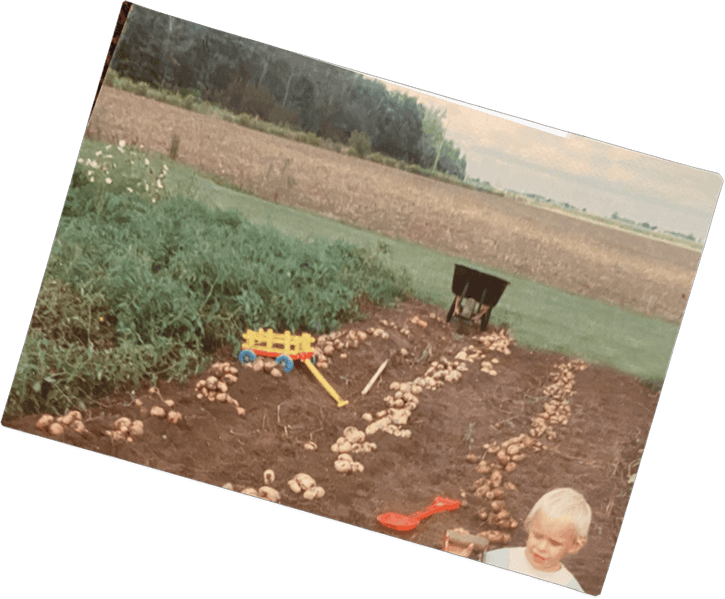
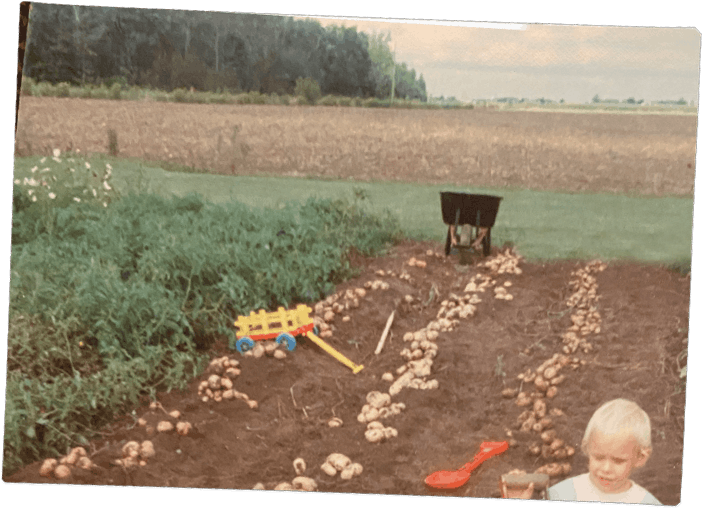
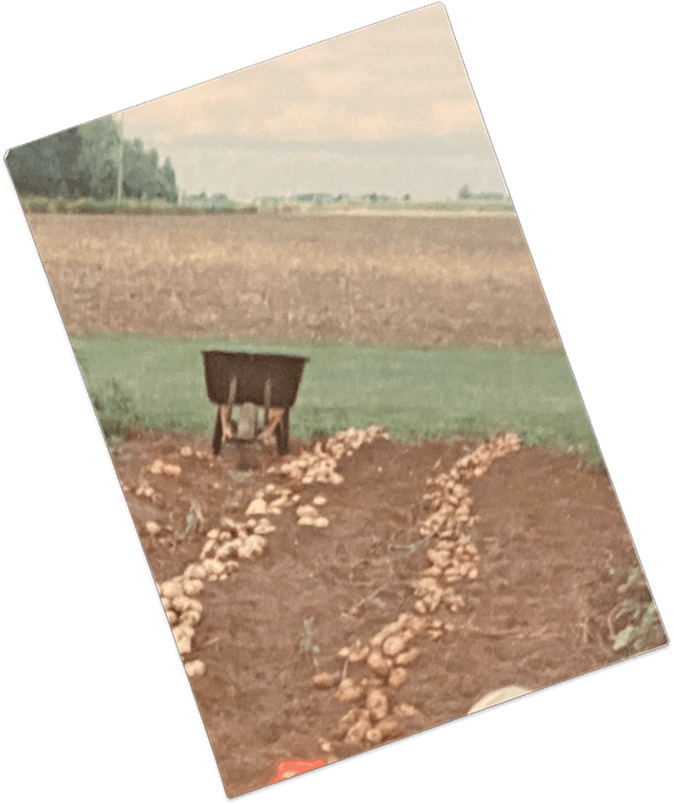
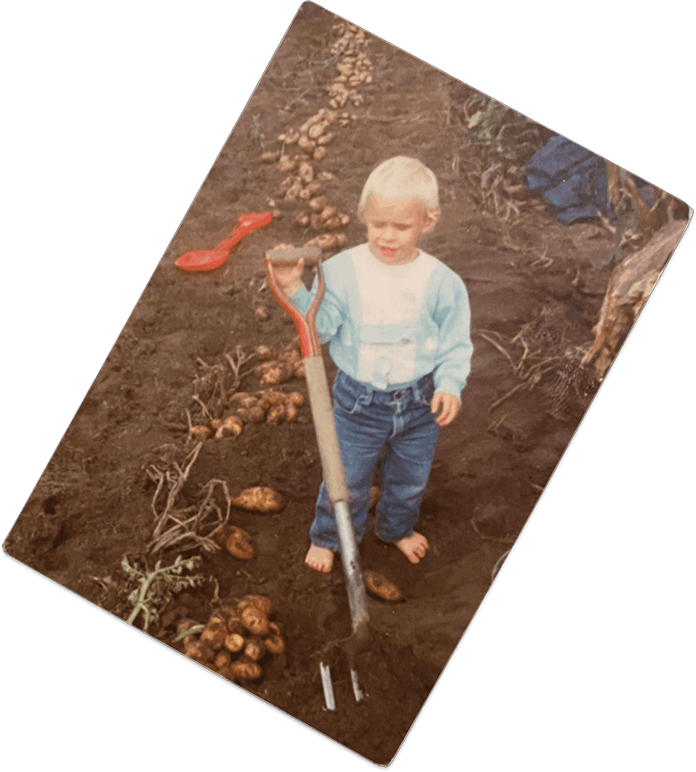
In addition to their formal labor, there was also a lot of invisible labor that went into our livelihood. Our garden plot was nearly as large as our single wide trailer, and, in hindsight, a critical food resource for our family. A lot of effort went into planting, tending, harvesting and preserving the produce to eat throughout the year. My dad took responsibility for planting and tending the garden, and the rest of us—mostly Mom—helped pick, process and preserve the produce. If that sounds idyllic, then you’ve never sat around a table of children grumbling about how this is not what they want to be doing while you manage the anxiety of whether you can pay this month’s bills. My parents’ mental health was pushed to its limits. That’s their story to tell, not mine, but I was a perceptive child; I saw and felt the stress despite their efforts to shield me and my younger brothers from it.
Mom also took responsibility for maximizing every penny, meticulously attending to food prices, sales, couponing and meal planning, and taking a very strategic approach to paying bills—triaging them based on due dates and always putting at least a little bit into their savings account, even if that meant not paying the full bill at the local grocery store or gas station. The diligence she had brought to her job in the medical office was now applied in the airtight management of our home.
As I demonstrated my stubbornness in all sorts of childish ways, my parents were demonstrating the merits of strategically applied stubbornness.
I was skeptical but intrigued.

Following Dumbledore into academia
My journey to public health and to research was not intentional. I had planned on becoming a clinical dietitian and working at the hospital a half-hour from my hometown. Growing up as I did, one becomes a bit obsessed with minimizing risk. Dietetics checked the boxes. It aligned with my personal interest in nutrition developed over years of competitive high school athletics and, based on career shadowing I did at the hospital, I could see that it was interesting and challenging enough to maintain my interest over a lifetime of work while still affording a reliable career trajectory. I had ardent assurance by hospital leadership that they would have a job for me when I graduated. That was the clincher.
The pivotal turning point came in my second year at Central Michigan University. I received an invitation to attend a McNair Scholars informational session. It was specifically for students interested in getting a PhD. The calculus was simple: I do not aspire to get a PhD, delete the email. And all the follow-up emails. Until I got so annoyed by the persistent invites that I decided to attend so I could say I had done so and move on.
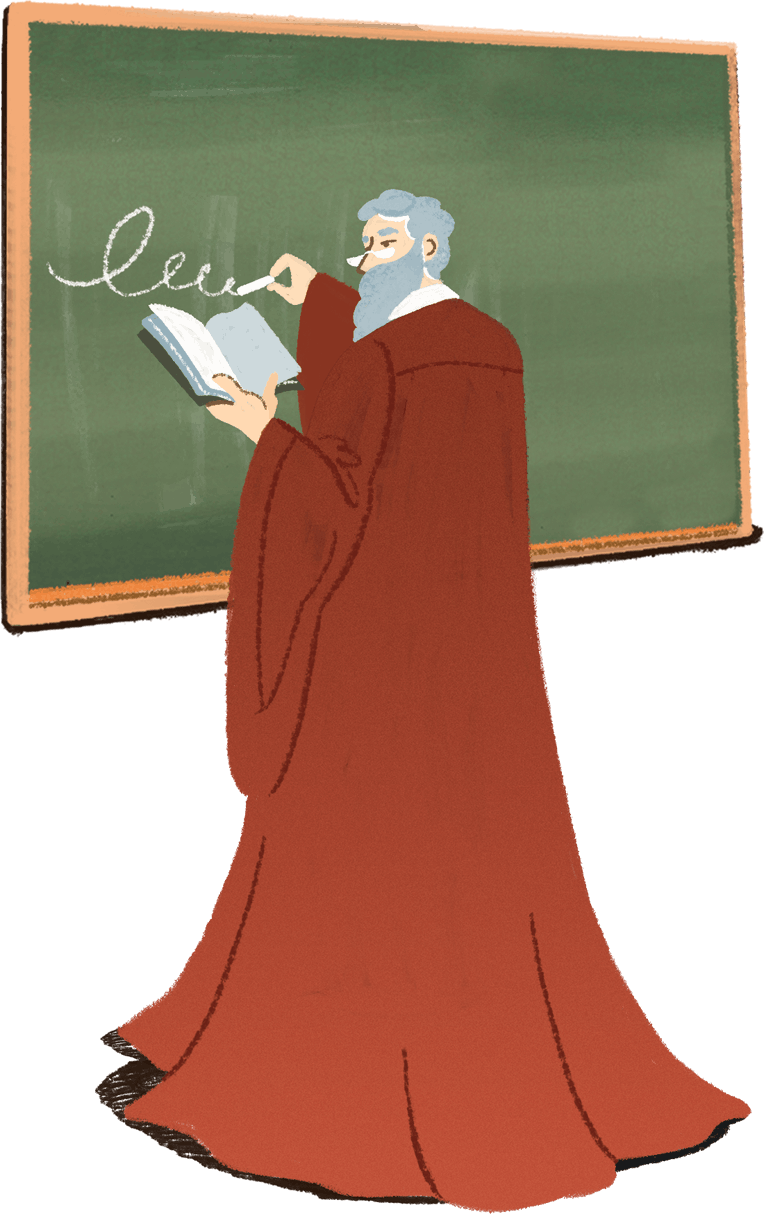
I sat near the back of the room, present but not overly enthusiastic. As the session started, a man entered the room in what my Harry Potter-loving brain could only describe as wizard robes. His age and demeanor, evidenced through the color of his hair and his kind, seasoned eyes, made him seem like CMU’s own Dumbledore. The man, a professor and CMU’s eventual Honors Program director, went on to explain the significance of the robes, his academic regalia. My practical upbringing had me highly skeptical.
By the end of the session, I was still skeptical but intrigued enough to explore the prospect of this training journey change. I applied to the program, dedicating more effort into it than I was willing to admit to anyone, and was accepted. My high school peers had recognized something in me when they voted me “most likely to invent something” our senior year, and, apparently, the McNair Program staff saw that potential as well.
So began my journey into academia. And too, my journey to public health.
The cornerstones of my public health identity
The McNair Program encouraged us to apply for a substantive research experience in the summer between our junior and senior years—something that would get us familiar with the realities of academic research and provide the experience necessary to be a compelling PhD applicant. It was thanks to this encouragement that I trained with Katherine Alaimo’s team at Michigan State University for one summer. I supported a community based-participatory research project to evaluate an urban food environment in partnership with local organizations. The data would be used to inform community food security efforts based on this local knowledge. I had already engaged in rigorous scientific endeavors thanks to my honors thesis research with Roschelle Heuberger and Jennifer Schisa. But this experience shattered my short-sightedness about what science could be and do; this science felt like home.
At the same time, I was feeling frustrated with my coursework. My inherent stubbornness and demand for excellence—from myself and those around me—was meshing with my attention to detail and insatiable desire to understand the why and how behind the foundational knowledge of the field. I challenged my professors in class with my questions and kept notes on how I would refine the curriculum if I were in charge—a seemingly productive outlet for my still immature ego. While probably a bit insufferable at times, I was coming into my own—recognizing the joy I found in not only teaching others but thinking about how to optimize teaching to enhance engagement and comprehension.
From there, my hard work seemed to be met by good luck. The rest of my trajectory felt less organic and more linear. Alaimo was an alum of Cornell University’s PhD program in Nutritional Sciences and put in a good word for me. I had other strong recommendations as well, but networks matter and I’m sure it helped. I secured a spot in Cornell’s combined PhD-RD program, which set in motion a slew of opportunities that I could not have imagined for myself in high school. My doctoral advisor, Rebecca Seguin-Fowler, was trained in public health and taught the department’s Intro to Public Health course, which I advocated to help teach. Karla Hanson, another mentor, held me to a high standard and helped me to see feedback not as critique, but as a signal that she and others believed in my potential.
In my final year, Patsy Brannon secured a policy internship for me with a connection she had at the National Academy of Medicine, and I spent a semester in residence supporting their work to update the Dietary Reference Intakes for sodium and potassium. Around the same time, I was matched with Chris Taylor for a mentoring program hosted by one of our shared academic organizations.
He shared that Ohio State University would be posting a faculty position for someone with my interests at the intersection of dietetics, food security and policy. Four years into my time at Ohio State, I met Kate Bauer at a leadership meeting for a national research network. Given my firsthand knowledge of rural Michigan, she looped me into her Feeding MI Families study. It was through her that I learned a faculty position would be opening in Nutritional Sciences at the University of Michigan School of Public Health, and I had the opportunity to come home. At every stage, it wasn’t luck, but a personal connection who bridged the gap between one opportunity and the next, and each opportunity became a cornerstone in my growing identity as a public health scholar and a teacher.
The impact of caring
As a research trainee, I had been advised not to get involved in politics or advocacy related to my expertise. Our job was to conduct research with as much rigor as possible and to report our findings with as much integrity as possible. Others would take it from there. So, while I benefited from high-quality training in the conduct of research, I avoided any professional presence on social media and sought no training in how to engage with the media.
Something shifted in my early years at Ohio State. As a principal investigator, I was making choices about what I would study, with whom, and how we would do so. These were value-laden choices, whether we wanted to admit it or not. At the same time, it was nothing short of painful to watch nutrition science get misrepresented and hyperbolized in the media, even if unintentionally.
In fall of 2021, a CNBC producer reached out to me. She wanted to talk about food prices in the context of the ongoing COVID food supply disruptions. It was a good conversation, and I applaud Charlotte Morabito and her team for their incredible effort to unpack the complexity of the issue. But I’ll admit I was frustrated by her final question to me: What are tips I could share on helping consumers to shop smarter?
All I could think about was my mom, who had done everything to shop as “smart” as possible and still had to make impossible choices about our family’s limited resources. And I was seeing these headlines everywhere: “Grocery prices are rising. Here are 5 ways to save at the store,” “Food prices and inflation keep going up but here are 3 tips to save on your groceries.” They felt tantamount to clickbait for me, despite what I’m sure was well-intended reporting aiming to be practical.
I can appreciate practicality. At the same time, I knew I had to rethink my approach to scientific communication and engagement with media requests. My formative years had seeded in me a deep appreciation for community culture, food systems, food work and family/social support—all of which now serve as a guiding force in my research efforts—but it also fostered in me a sense of responsibility and self-reliance; I had to take ownership of my research, of my field’s research, and how it is translated into public guidance, programs and policy.
Five years later, I’m still figuring out what this looks like in my day-to-day work. My media engagement lately is outpacing my time spent on peer review of scientific journal articles. I’m not sure this is for the best, but I also know that public perception and political will are strong drivers of food and nutrition policy, and we need science to be a part of public discourse from the start, not just when it’s time to justify actions with some applicable references.
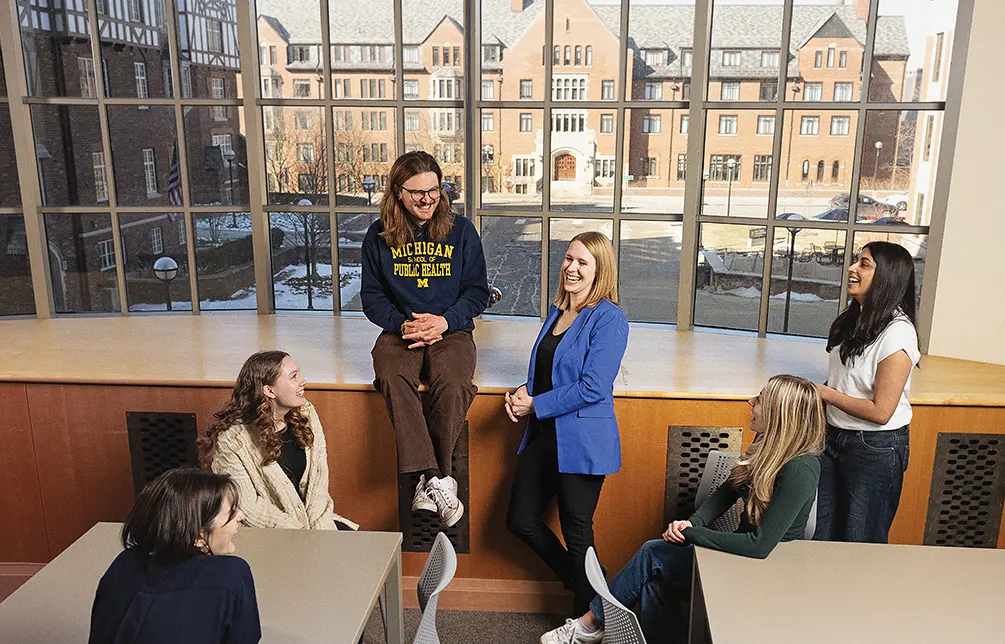
I can’t say yet what concrete impact I’m having (something I was asked to reflect on for this piece). There are clues: The participants in my team’s studies are quick to give hugs when I’m on site, and our trial retention rates are high; my students loiter after class for advice and stay in touch beyond graduation; community agencies are reaching out to connect. People know that I care. And I think that’s the real impact: When we can show up as the humans we are, put a high degree of intentionality into our work, and imbue that care, confidence and competence into others.
I’m honored to be a part of the Michigan Public Health community and look forward to a career’s worth of scientific “adventures”—strategically stubborn pursuits—to address the persistent public health problems of our time.