
Health Services Organization and Policy PhD Program
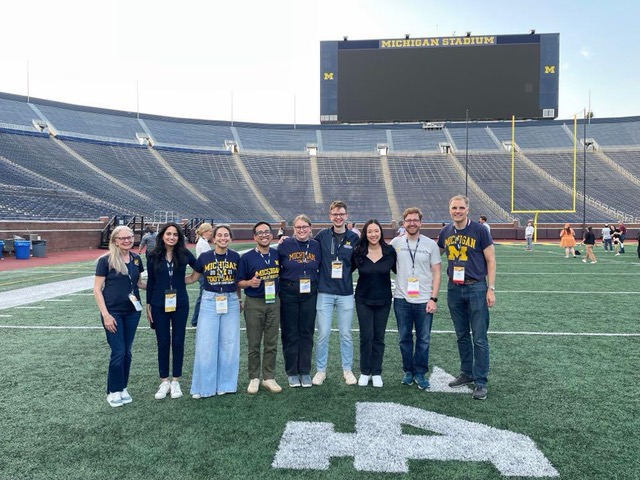
HMP's doctoral program in Health Services Organization & Policy (HSOP) prepares students for careers in research, teaching, and policy analysis in health services and policy.
Our primary objective is to provide students with the conceptual and analytic skills needed to address a broad spectrum of health services and policy issues. These issues range from the balance between equity, efficiency, and political feasibility in forming social policy, to technical considerations in the organization, financing, use, and evaluation of health services. The scope of our programs includes not only personal health services but also the broader context of factors that influence health.
Cognates
The HSOP program is oriented strongly toward applied research. Understanding and analyzing the technical aspects of health services and policy requires advanced methods in the collection, analysis, and interpretation of data within rigorous theoretical frameworks. The program considers the core areas for HSOP study to be the social sciences in the following substantive fields, also known as cognates:






Collaboration
As an interdisciplinary program, HSOP maintains close ties to and frequently collaborates with cognate faculty, students, and departments across the university, including programs in:
- Economics
- Finance
- Operations Research
- Organizational Studies in the Ross School of Business and College of Literature, Science, and the Arts
- Political Science
- Sociology
Student Experience
Coursework
Coursework is required in the following general areas:
- Health and Health Services (7 credit hours)
- Health Services Research Methods (12 credit hours)
- Cognate-Based Theory and Methods (typically 33 credit hours)
The typical time for completion of the instructional phase of the program is two years. Before advancement to candidacy, each student must complete two preliminary examinations--one in health services after the first year, and one in the cognate area after the second year. The final phase of a student's doctoral work is a dissertation on a significant research topic.
The HSOP Curriculum Guide serves as a reference for current policies governing the program. It contains the academic requirements, general standards for academic performance, and conduct established by the Health Services Organization and Policy Committee and Rackham Graduate School.
Research
Guided research is an important component of the HSOP program. Students have the opportunity to work closely with faculty members on a variety of cutting-edge health services research, and health policy projects including tobacco policy, managed care, women's health, and long-term care.
Students also participate in WIDTH (Workshop for Integrating and Discussing Topics in Healthcare), an interdisciplinary forum for doctoral students to discuss their dissertation topics, research ideas, and results with other students and faculty with similar interests in health services research but different cognate training/perspectives.
Advising and Mentorship
Each HSOP student has at least formal one advisor within the department who works with them starting in the first year of the program. The advisor-advisee relationship should be a good personal and professional match and is important for advice, funding, research, dissertation writing, and searching for jobs. In the event that a student determines a better personal and professional fit, switching the primary advisor is straightforward. Students looking to change advisors should consult the program's guidelines.
For more information, please consult Rackham's Graduate Student Mentoring Guide
Placements
About two-thirds of all HSOP graduates find careers in academic institutions, either as faculty or as researchers. Those not in academia generally work in federal and state government agencies or in the private sector in nonprofit research organizations, healthcare delivery organizations, and consulting groups. Recent HSOP alumni currently include:
- Faculty and researchers at institutions such as Johns Hopkins University, University of North Carolina, Cornell University, Duke, Penn State, University of Washington, University of Illinois at Chicago, Trinity University, University of Kentucky, University of Iowa, University of Florida, and Taiwan University.
- Researchers in organizations such as Kaiser Permanente, the Henry Ford Healthcare System, the VA, and other professional organizations.
- Policy analysts in federal and state governments.
- Researchers in contract research firms such as RAND, Medstat, Mathematica, and Abt
Associates, Inc.
In short, the market for University of Michigan HSOP graduates has historically been strong, and current evidence indicates a continued high demand for graduates of the program.
Faculty
The HSOP program draws on the expertise of the HMP faculty and the university at large. With backgrounds in public health, medicine, operations research, law, and finance, among other disciplines, our department faculty have national and global reputations. Faculty experts are teaching and researching in areas such as health insurance, healthcare finance, nursing home care, and home healthcare, organizational analysis of hospitals, the physician workforce, HMOs and managed care, quality of care, legal issues in a managed care world, tobacco policy, and women's health.
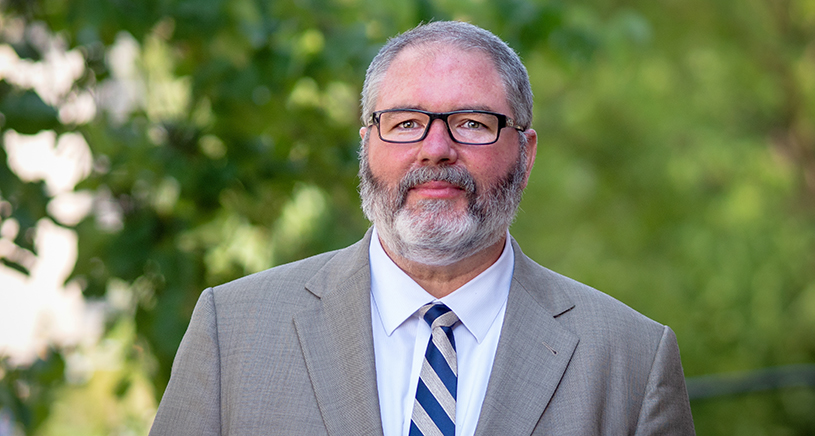
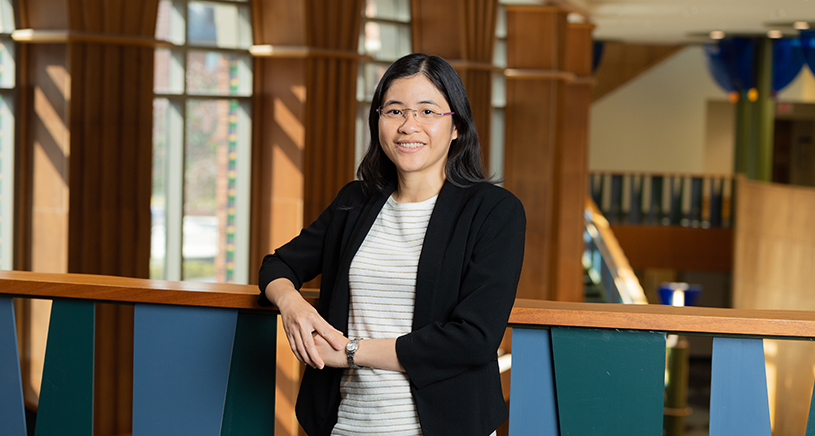
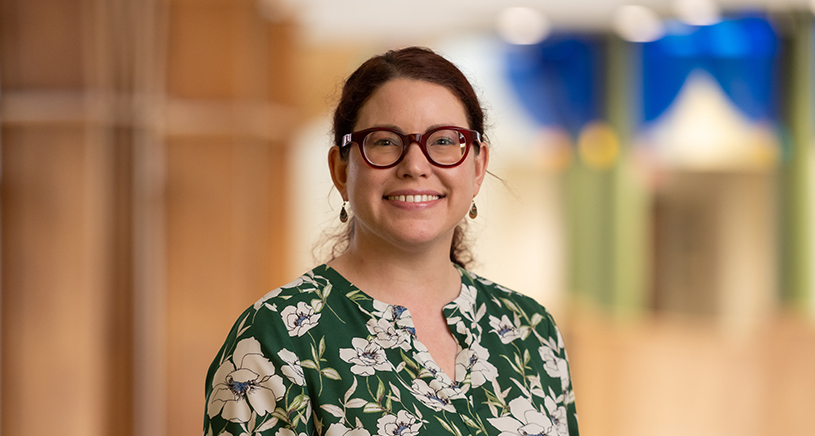
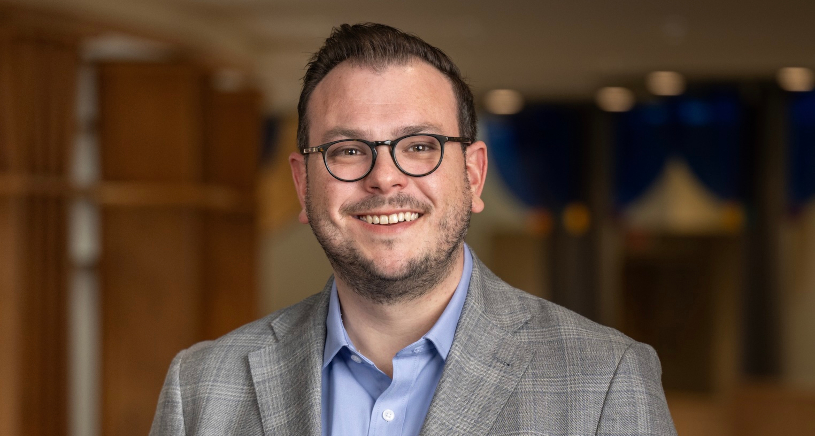
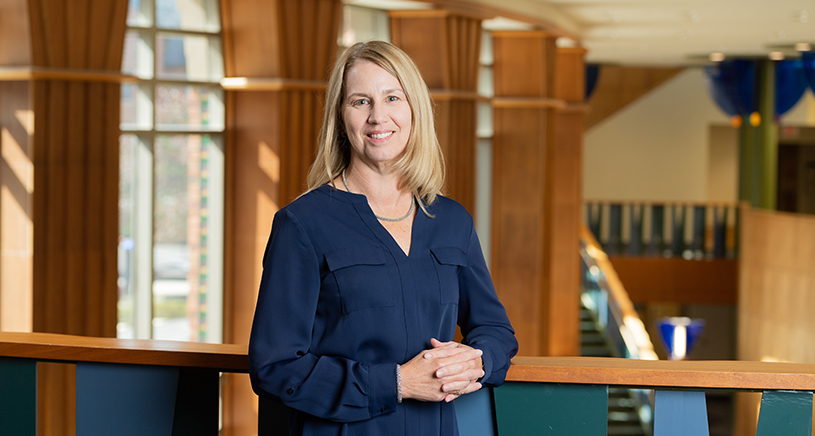
Core Faculty by Cognate










External Faculty by Cognate
- Mariel Lavieri
- Amy Cohn
- Brian Denton
- Rafael Mendez
- Kao-Ping Chua
- Kara Zivin
- Paula Lantz
- Department of Sociology faculty
Admissions
HSOP applicants should complete the Rackham Graduate School application and select Health Services Organization & Policy. Additional information for individuals with international credentials can be found on the page Required Academic Credentials from Non-U.S. Institutions.
All supplemental materials such as transcripts, CVs, and writing samples must be submitted via the online application system. Extra or supplemental materials will not be accepted by email.
HSOP applicants should indicate their primary cognate interest on their application. For more information, see the “Cognates” section above.
Application Components
- The statement of purpose should be a well-written, concise (no more than 2 pages)
essay addressing the following topics:
- Why you want to pursue a PhD in our program, and why you are qualified
- Your academic and career goals
- Why our program and our faculty are a good fit for you and your goals
- In particular, you should indicate your primary area of research interest, cognate, and department faculty whose work interests you. Please limit your references to core program faculty only. This will enable us to consider potential mentors for you should you gain admission to the program.
- The personal statement should be a short (max. 500 words) description addressing how your life experiences–including educational, financial, cultural, geographical, or any other relevant opportunities or challenges–prompted you to pursue a PhD in our program and why. How do these experiences make you a good match for HSOP?
- You may also wish to provide additional context on any aspect of your application that you feel may not be evident to reviewers from your other materials (e.g. lower grades, unusual educational/career trajectories, etc.)
- We require a short (max. 500 words) essay that summarizes your analytical and quantitative skills. Please include examples and details of experiences in research, professional, personal, or volunteer settings that involve working with and analyzing data. How have you used your quantitative skills to solve and communicate complex problems?
- Because transcripts can take several weeks to arrive, we strongly recommend submitting your transcripts early.
- Applicants who attended or are attending a U.S. Institution:
- Upload an electronic version of your official transcript(s) for each Bachelor’s, Master’s, Professional, or Doctoral degree earned or in progress through your ApplyWeb application account.
- Applicants who attended or are attending a Non-U.S. Institution:
- Review Required Academic Credentials from Non-U.S.Institutions for transcript/academic record requirements by country or region. Submitting transcript/academic records is a two-step process.
- Upload an electronic version of your official transcript/academic record for each institution attended through your ApplyWeb application account.
- See Rackham’s detailed instructions on how to submit transcripts/academic records to the Rackham Graduate School.
- Please include recommendation letters from academic and/or professional contacts who can speak to your qualifications for our program. Personal recommendations (friends and family) will not be accepted.
- See the Rackham website for more information about how to register recommenders.
Deadlines and Timelines
The application deadline for Fall 2027 is December 1, 2026. Applications open in September of the year prior to the intended term of enrollment. New students are admitted for the Fall term only. We do not accept applications for enrollment beginning in any other term.
We will only be able to review completed applications. All supplemental materials MUST be received by December 1 to be considered for fall term admission. The committee reserves the right not to review late or incomplete applications. It is the responsibility of the applicant to keep track of the progress of their application, which can be done using the Admissions website.
Admitted applicants are typically notified about their admission in late January/early February and will be invited to attend a visit day in late February/early March, where they will have an opportunity to meet with faculty and students.
Competitive Admission
Admission to the HSOP program is extremely competitive, and space is limited. Please be advised that:
- We typically receive more than 90 applications each year from very qualified and talented people. Each entering class consists of 3–6 students
- The admissions decision is based on a holistic review that puts weight on many factors, including: fit with faculty research expertise; academic background for the proposed cognate; letters of recommendation; undergraduate and (where applicable) graduate GPA; and evidence of potential to be a productive researcher
- Many of our applicants have a master's or professional degree with strong grades, and most have relevant research experience. However, we do not require any degree beyond a bachelor's to be considered for admission.
Frequently asked questions
Funding and Financial Aid
Funding directly through the HSOP doctoral program is available, and there are also many funding opportunities for PhD students with the Rackham Graduate School and throughout the university. The majority of our PhD students have one (or more) of these funding packages, and all of our students have full funding for five years of their PhD career. These funding opportunities cover full tuition and health insurance, as well as provide a living stipend
Common Sources of Student Funding
There are various traineeship and assistantship programs available through both HMP and the Rackham School of Graduate Studies. Examples of such programs are:
For an in-depth explanation of available funding opportunities, please visit Rackham's website.
For information on federal financial aid student loan programs, please contact The University of Michigan Office of Financial Aid.
Non-U.S. citizen applicants are not eligible for most university-based awards including fellowships; such students should seek support from their own governments and agencies. HSOP students, both U.S. and international, are eligible for GSI and research positions, though these positions are usually attained only after the first year of study.
Further Information
Questions about hsop?
Contact the HSOP Staff Support Team at hsopgradprog@umich.edu
Program history
For more information about HSOP's history, see The Doctoral Program in Health Services Organization and Policy 1919-2019: Executive Summary.